All topics
Practice this topic

Strand 3: Interactions of Life

Microorganisms & Nutrient Cycling

Bacteria, fungi, the microbiome, carbon and nitrogen cycles, climate change, and industrial uses.

3.2 Microorganisms & Nutrient Cycling

In brief:Microorganisms play essential roles in nutrient cycling, industry, and human health. The carbon and nitrogen cycles are biogeochemical cycles critical for life.
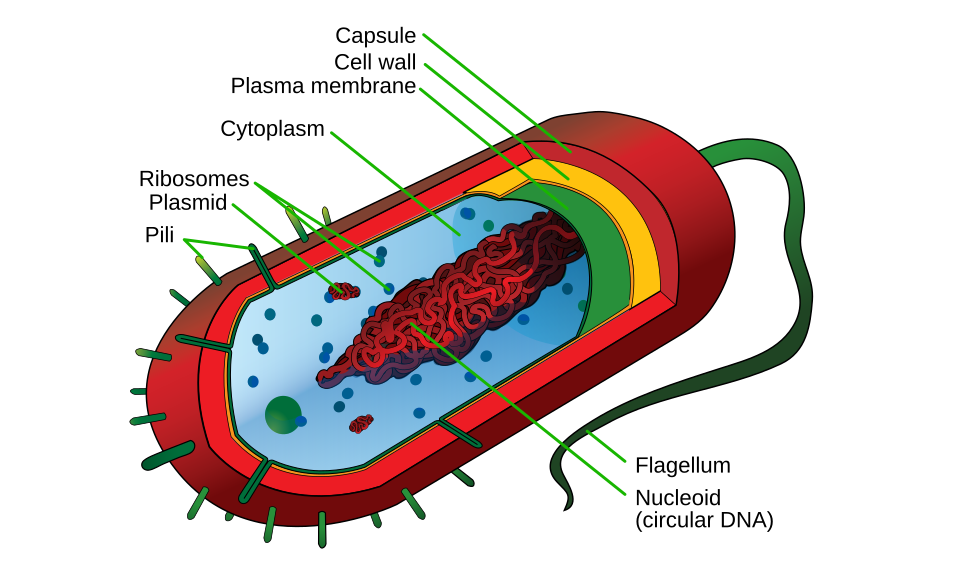
Prokaryotic cell

Structure of a typical prokaryotic (bacterial) cell

Wikimedia Commons (CC)
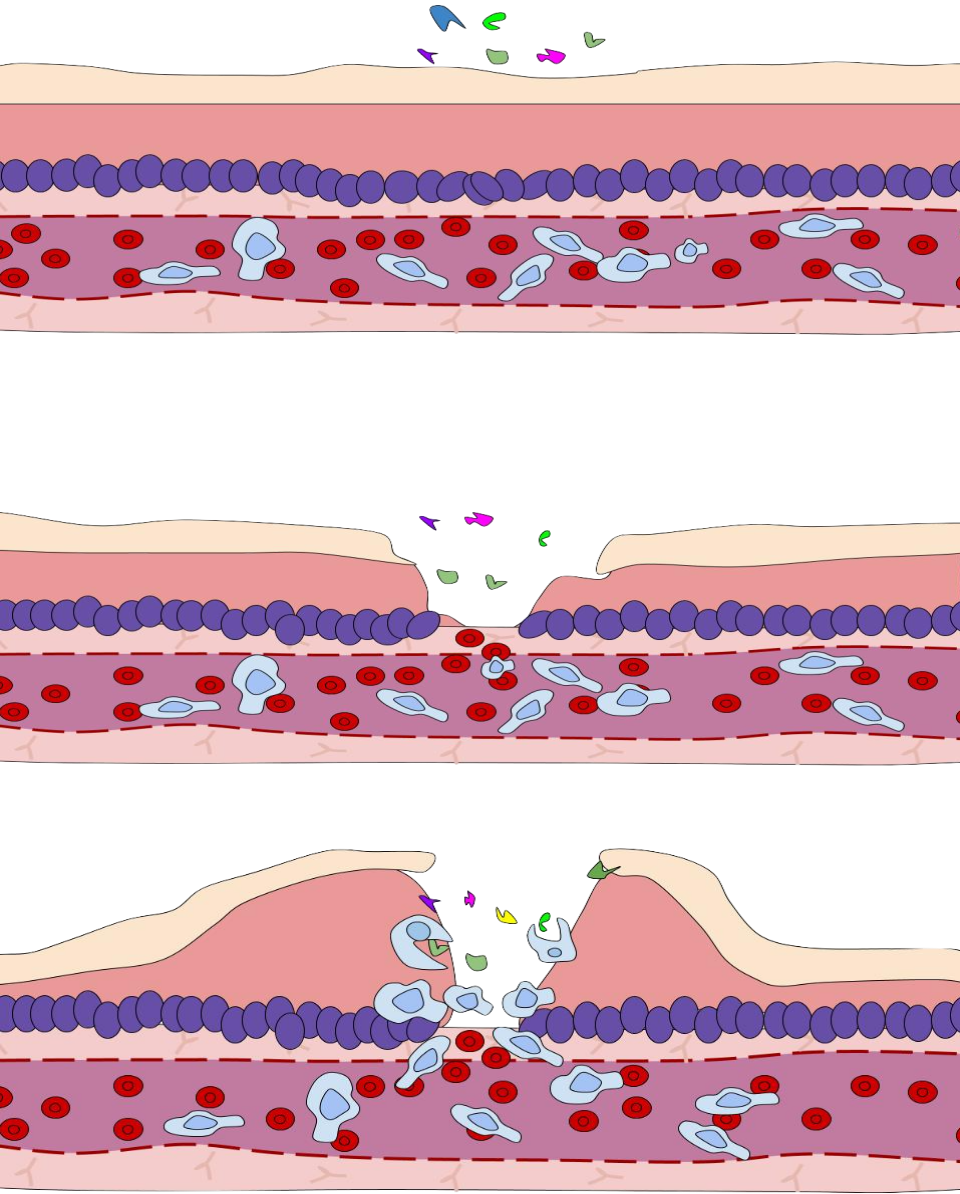
Immune response

The body's immune response to microorganisms

Wikimedia Commons (CC)

Key Points

  • 1Bacterial cell: prokaryotic - cell wall, cell membrane, cytoplasm, ribosomes, circular DNA, plasmids.
  • 2Rhizopus: a fungus with hyphae. Eukaryotic. Saprophytic nutrition.
  • 3Nutrition types: autotrophic, heterotrophic, saprophytic, parasitic.
  • 4Factors affecting microbial growth: pH, nutrients, water, temperature, antibacterial chemicals.
  • 5Growth curve: lag → log (exponential) → stationary → decline/death → survival.
  • 6Microbiome: community of microorganisms (gut helps digestion, immunity, metabolic health).
  • 7Carbon cycle: photosynthesis, respiration, decomposition, fossil fuels, carbon sinks.
  • 8Nitrogen cycle: nitrogen fixation, nitrification, decomposition, denitrification.
  • 9Climate change: linked to atmospheric CO₂ and methane increases.

Learning Outcomes

  • Distinguish between bacteria and fungi in terms of structure, nutrition, and cellular nature
  • Investigate factors affecting the growth of microorganisms, use primary and secondary data to support conclusions
  • Discuss the importance of microorganisms in industries
  • Outline the concept of a microbiome; explore the role of microbiomes in promoting human health and nutrient cycling in soils
  • Model the carbon cycle with reference to the roles of photosynthesis, respiration, decomposers, fossil fuels and carbon sinks
  • Model the nitrogen cycle with reference to nitrogen fixation, nitrification, decomposition, denitrification
  • Evaluate ethical and sustainability issues associated with the cycling of nutrients
  • Discuss the link between atmospheric carbon dioxide, methane and climate change; evaluate biological strategies to reduce atmospheric levels of these gases